Department of Agriculture – Issues Advisory on Infectious Coryza in Poultry Flocks
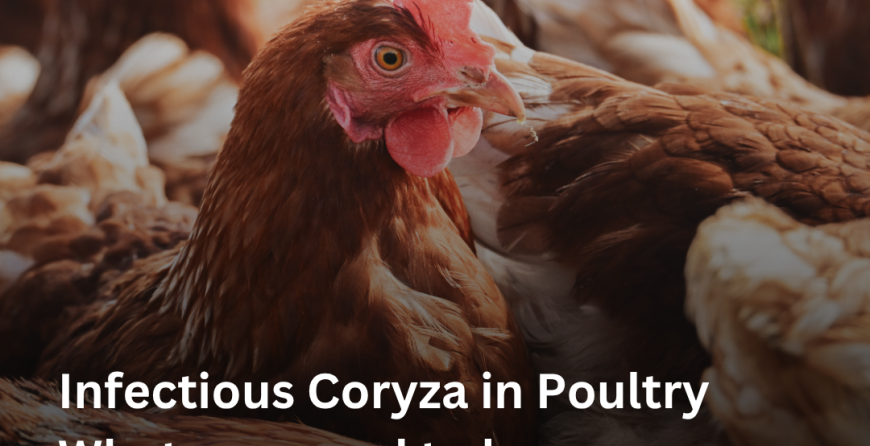
Grand Cayman, 23 July 2026 — The Department of Agriculture (DoA), under the Ministry of Planning, Lands, Agriculture, Housing & Infrastructure (MPLAHI), is issuing an official advisory to update the agricultural community regarding recent cases of Infectious Coryza detected within poultry flocks across the Cayman Islands. Infectious Coryza is a common, highly contagious respiratory infection affecting poultry.
Infectious Coryza is strictly an avian disease. It is not a public health risk, is non-zoonotic (cannot infect humans), and does not render poultry meat or eggs unsafe for consumption.
Key Information
Pathogen & Impact
- Causative Agent: Caused by the bacterium Avibacterium paragallinarum.
- Clinical Signs: Swelling of the face and wattles, foul-smelling nasal and eye discharge, sneezing, and lethargy.
- Production Losses: While mortality is typically low in adult birds, the disease causes significant drops in feed intake and a dramatic decrease in egg production (10% to 40%).
- Transmission & Spread
The pathogen spreads rapidly through:
- Direct Contact: Contact with infected or recovered “carrier” birds through nasal secretions and droplets.
- Contaminated Vectors: Shared feed, drinking water, footwear, clothing, tools, and transport equipment.
- Airborne: Short-distance aerosols in poorly ventilated coops.
Note: Recovered birds frequently remain lifelong carriers of the bacteria, capable of shedding the pathogen to susceptible birds even after symptoms subside.
Treatment
- Antibiotics: Early administration of broad-spectrum antibiotics via drinking water or feed helps reduce symptom severity and restores flock productivity, though it does not eliminate carrier status. This can be procured from the DoA Veterinary team after a flock has been diagnosed.
- Supportive Care: Adding vitamins and electrolytes to drinking water and ensuring clean, dry housing is essential to assist recovery. Vitamins and electrolytes are available through the DoA Commercial Centre in Lower Valley.
- Farm Biosecurity Protocols
All farmers and bird owners are reminded of the importance of farm-level biosecurity measures:
- Foot Baths & Dedicated Footwear: Maintain foot disinfection baths at coop entry points or use dedicated farm boots.
- Quarantine: Isolate any incoming birds for a minimum of 30 days. Keep sick birds away from healthy flocks.
- Sanitation: Disinfect feeders, waterers, and coops regularly using approved agricultural disinfectants.
- Access Control: Restrict visitors to poultry areas and avoid sharing equipment between farms.
Government Action: Vaccine Procurement & Administration
To assist the farming community in controlling and eventually eradicating this infection from the local poultry population, the Cayman Islands Department of Agriculture is actively procuring targeted Infectious Coryza vaccines.
- Farmer-Led Administration: Once imported, these vaccines will be made available directly to local farmers for farmer-led flock administration.
- Guidance & Training: The Veterinary Services team will provide clear guidelines, dosage instruction, and administration training to ensure effective flock coverage.
The Department urges all poultry producers to monitor their flocks closely for any respiratory symptoms and to report suspected cases promptly to the Department of Agriculture Veterinary Services at 916-2218 to facilitate testing and treatment guidance.
Director of Agriculture, Mr. Wilbur Welcome, stated:
“The Department of Agriculture is working proactively to support our poultry farmers through surveillance, treatment access, and upcoming vaccination efforts,” said Director Wilbur Welcome. Our priority remains safeguarding local food production while equipping farmers with the tools and knowledge needed to manage and prevent the spread within their flocks.”